

Approval Adds ADT Doublet to Triple Therapy
Expert Notes Favorable Safety Profile and Welcomes New Option
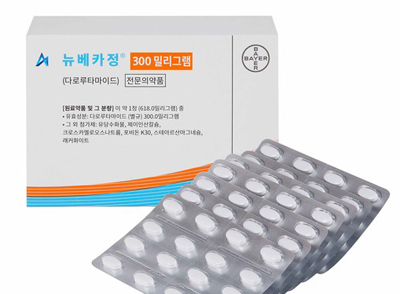
Bayer’s oral androgen receptor inhibitor Nubeqa (darolutamide) has expanded its indication to include combination therapy with androgen deprivation therapy (ADT) for metastatic hormone-sensitive prostate cancer (mHSPC). Previously approved only in triple therapy with docetaxel, the new label allows greater flexibility in treatment strategies based on patient condition.
Nubeqa had already been approved for monotherapy in high-risk non-metastatic castration-resistant prostate cancer (nmCRPC) and for triplet therapy with docetaxel plus ADT in mHSPC. On June 23, regulators approved its use with ADT alone in mHSPC, excluding docetaxel.
With this expansion, four first-line treatment options are now available for mHSPC: Nubeqa with ADT, Zytiga (abiraterone acetate) with prednisolone plus ADT, Erleada (apalutamide) with ADT, and Xtandi (enzalutamide) with ADT. Among these oral androgen receptor inhibitors, Nubeqa is the only agent that can be used regardless of whether docetaxel is combined.
mHSPC, which represents 5–10% of prostate cancer cases, refers to stage IV disease that remains responsive to ADT. Without effective management, it often progresses within two years to metastatic castration-resistant prostate cancer (mCRPC), where median survival is just 3–4 years. Delaying this progression while maintaining quality of life is a key therapeutic goal.
As no head-to-head clinical trials directly comparing androgen receptor inhibitors have been conducted, experts anticipate treatment strategies will depend on insurance coverage and considerations of long-term outcomes.

At the seminar, Professor Hyun Ho Han stressed that therapy choice must consider patient characteristics, side effect profiles, and available subsequent treatments. He emphasized that the expanded indication for Nubeqa represents more than an additional agent—it broadens treatment possibilities and allows for more sustainable therapy.
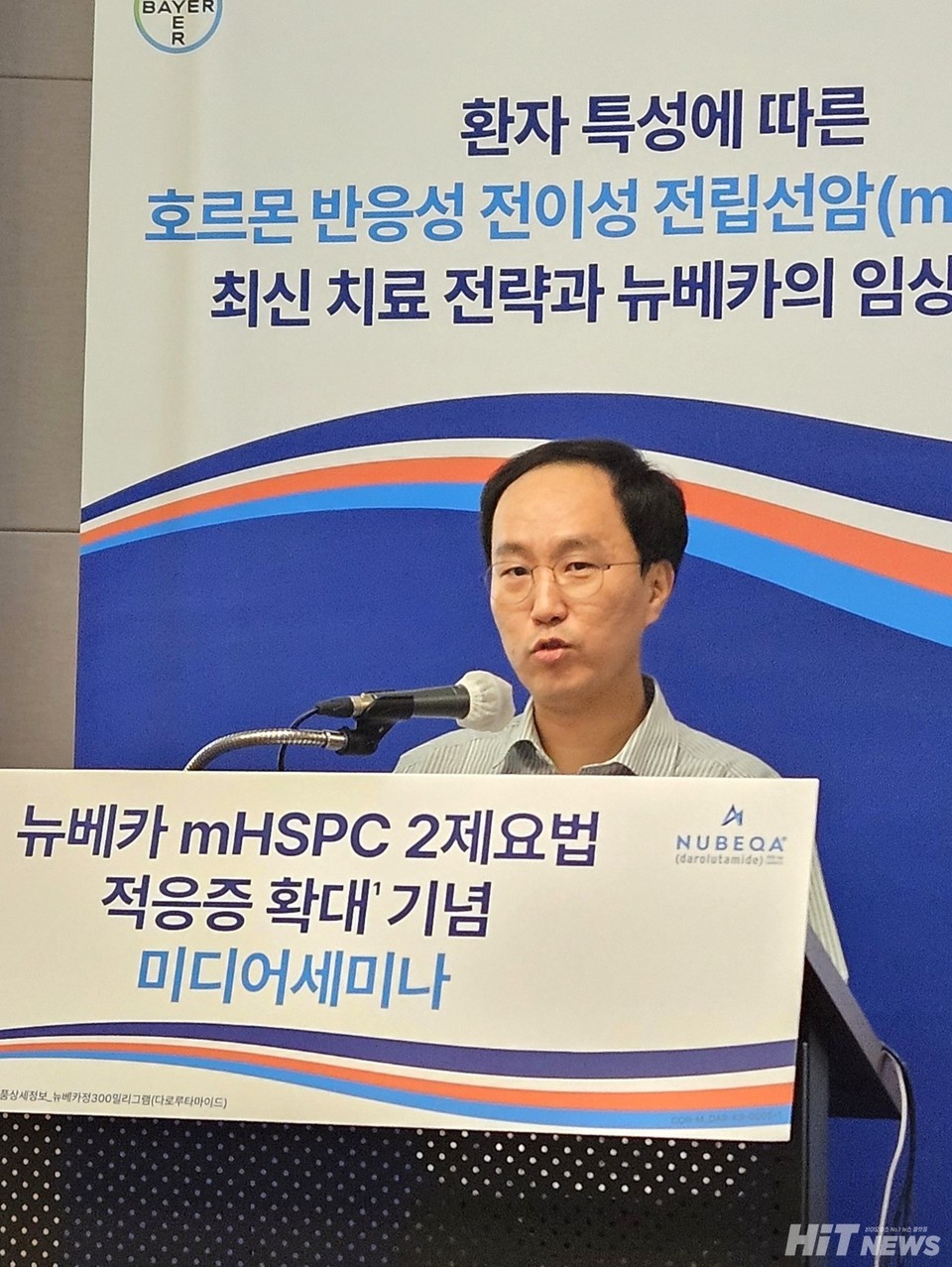
Professor Han noted: “All currently available agents show efficacy in mHSPC, but their side effect patterns differ. For example, Erleada may cause rashes, while Xtandi can induce fatigue. Nubeqa, by contrast, has not shown new or severe adverse reactions. From this perspective, adding another option is good news.”
He added that while the triplet regimen remains appropriate for patients requiring intensive therapy, the new doublet regimen offers a viable option for elderly patients, those with comorbidities, or patients at risk of central nervous system complications who are unsuitable for docetaxel. He also highlighted that treatment strategies will evolve, taking into account post-docetaxel use in mCRPC, potential combinations with newer drugs, and Korea’s reimbursement framework.
Meanwhile, Bayer confirmed it will move quickly to secure reimbursement listing for both the doublet and triplet regimens. Currently, Nubeqa is not covered under national health insurance for mHSPC patients.
Byung-kyu Noh, Head of Oncology at Bayer Korea, stated: “Our goal is to secure reimbursement as quickly as possible. We will make every effort to ensure patients can benefit from national health insurance coverage.”