

Held in Barcelona, Spain from September 13-17: Showcasing Phase 3 Results for Imfinzi, Keytruda, Rybrevant, Padcev, Kisqali, and More
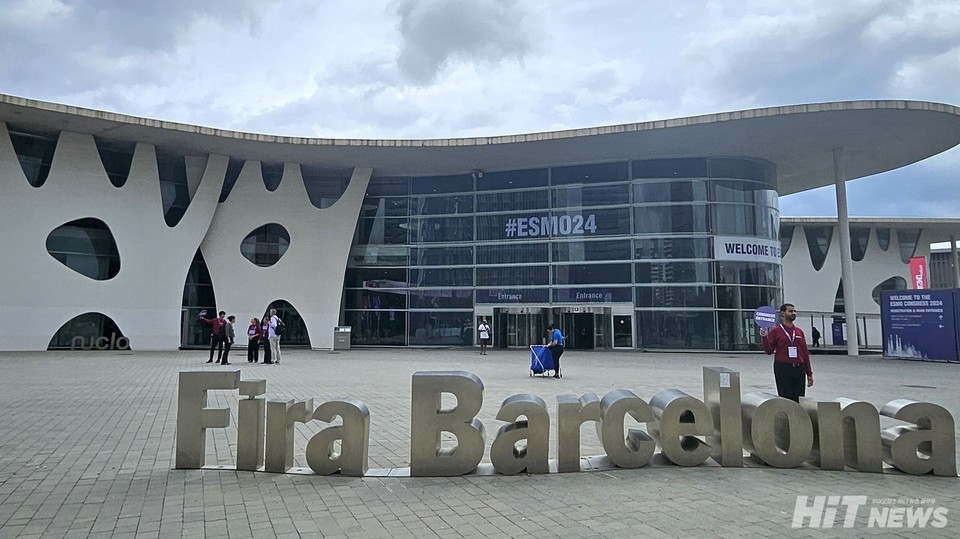
The European Society for Medical Oncology (ESMO) 2024 Annual Meeting will be held at Gran Via in Barcelona, Spain, from the 13th to the 17th (local time). / Photo by Reporter Jaeseon Hwang
The European Society for Medical Oncology (ESMO) 2024 Annual Meeting, one of the world’s top three oncology conferences, is being held from September 13th to 17th at the Gran Via in Barcelona, Spain. The event spans five days and gathers oncology experts from around the globe.
With more than 50 years of history, ESMO attracts clinicians, researchers, patient groups, and industry professionals. This year's event, unlike last year’s in Madrid, takes place in Barcelona, rotating among major European cities.
Known for setting key cancer treatment guidelines, ESMO provides insights into the latest clinical drug developments, drawing significant attention each year.
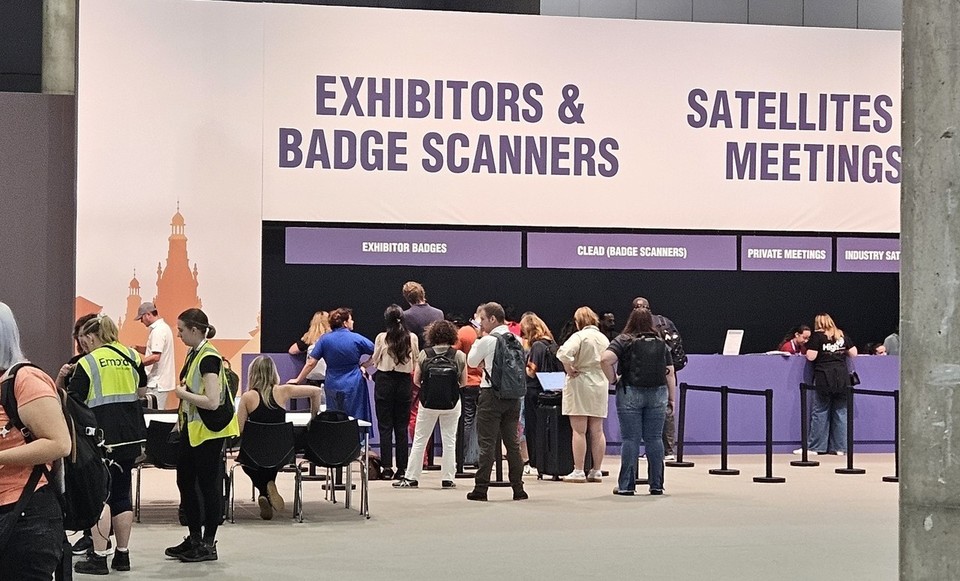
To avoid missing key presentations, which are scheduled in 5 to 10-minute intervals, attendees often register a day early. Despite the early rush, the atmosphere at the venue remains calm.

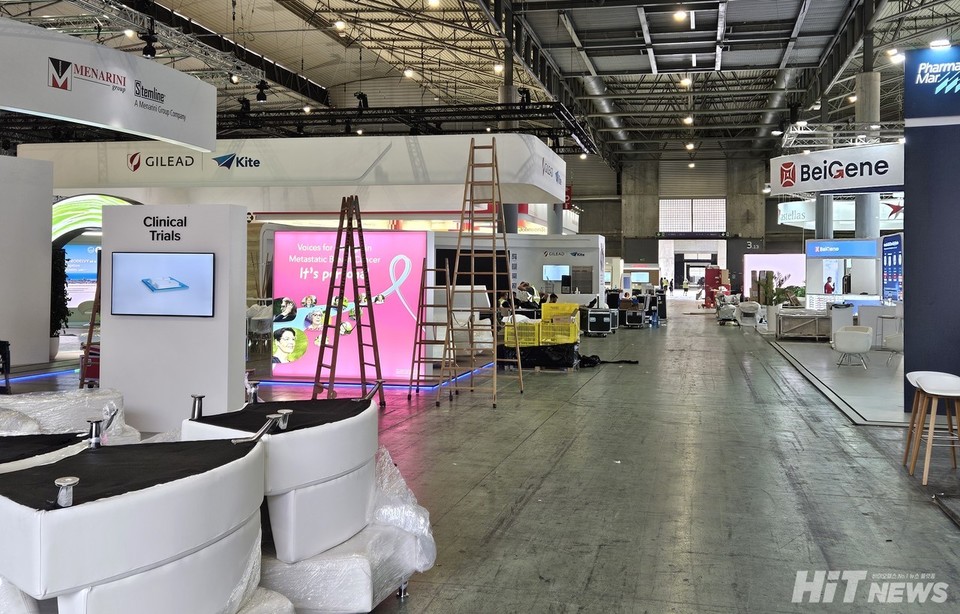
Preparations were in full swing, with rehearsals in the symposium hall and final setups in the exhibition area where major pharmaceutical companies will showcase their key pipelines and clinical results.
The most anticipated presentations will reveal Phase 3 clinical trial results of cancer therapies from companies like AstraZeneca, MSD, Daiichi Sankyo, and Novartis, covering liver, breast, lung, bladder, and gastric cancers.
To provide a preview for Hit News readers, we have compiled a summary of the key clinical trials that will be highlighted.
Liver Cancer - Combination Therapy of Imfinzi and Imjudo
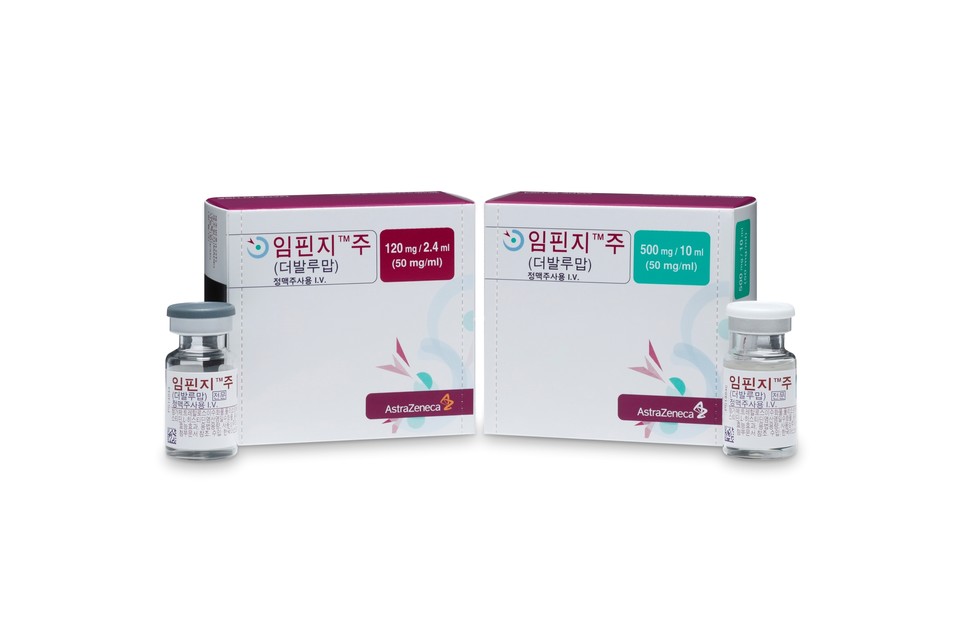
AstraZeneca is set to reveal the 5-year long-term follow-up results from the Phase 3 'HIMALAYA' study, which evaluated the dual immunotherapy combination of Imfinzi (durvalumab) and Imjudo (tremelimumab) as a first-line treatment for liver cancer.
The combination of Imfinzi and Imjudo has been highlighted as an effective treatment option, offering the potential to reduce the risk of liver function deterioration and bleeding compared to existing first-line liver cancer therapies.
HIMALAYA is the first global Phase 3 trial to assess dual immunotherapy as a first-line treatment for adult patients with hepatocellular carcinoma. The trial included 1,324 patients across 16 countries, with participants divided into groups: 389 patients received Imfinzi alone, 153 received the combination of Imfinzi and 75 mg of Imjudo, 393 received Imfinzi combined with 300 mg of Imjudo, and 389 received sorafenib.
At ESMO 2022, the 3-year median overall survival (OS) data showed that the Imfinzi combination group had a median OS of 16.43 months, compared to 13.77 months in the sorafenib group, reducing the risk of death by 22% (HR 0.78, 95% CI: 0.65-0.93).
This year’s 5-year median OS data will be closely watched to see whether it maintains the same trend or reveals any new developments.
Early Triple-Negative Breast Cancer – Keytruda
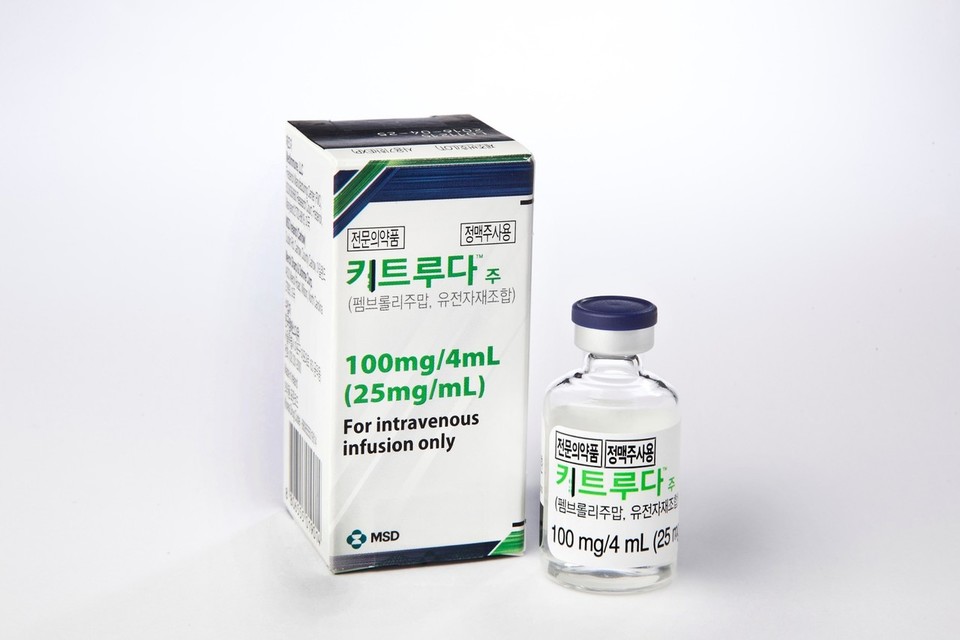
At this year’s event, MSD will present overall survival (OS) data from the 'KEYNOTE-522' study on its immunotherapy Keytruda, targeting early-stage triple-negative breast cancer (TNBC), for the first time.
Keytruda is currently approved in South Korea for "high-risk early-stage triple-negative breast cancer" as a neoadjuvant therapy (in combination with chemotherapy before surgery) and as an adjuvant monotherapy (after surgery).
In June, MSD announced via a press release that the KEYNOTE-522 study met its OS endpoint in high-risk early-stage TNBC patients. The company highlighted that this was the first instance where an immunotherapy-based treatment demonstrated OS improvement over chemotherapy alone in this patient group.
Keytruda had previously shown significant results in terms of pathological complete response (pCR) and event-free survival (EFS) during the indication approval process. The focus at this year's ESMO is on the clinical value that the new OS data will reveal.
HER2-Positive Breast Cancer – Enhertu
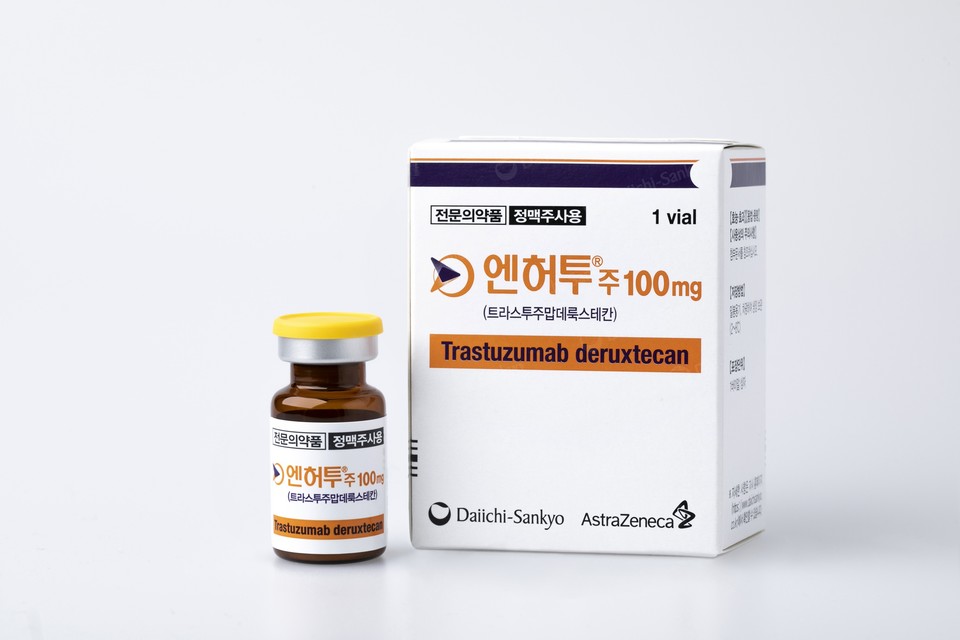
AstraZeneca and Daiichi Sankyo will present data from the Phase 3b/4 'Destiny-Breast12' study on Enhertu (trastuzumab deruxtecan), an antibody-drug conjugate (ADC), specifically targeting HER2-positive metastatic breast cancer patients with brain metastases.
In a subgroup analysis from the 'Destiny-Breast03' study, Enhertu demonstrated clinical improvement in brain metastasis patients compared to Herceptin (trastuzumab emtansine), but the study did not include patients with active brain metastases.
In contrast, the Destiny-Breast12 study includes two cohorts: Cohort 1 consists of HER2-positive patients without brain metastases, while Cohort 2 includes patients with untreated brain metastases who do not require immediate local therapy, as well as those with progressing brain metastases despite prior treatment.
This presentation is expected to shed light on the clinical benefits Enhertu may offer to HER2-positive breast cancer patients with active brain metastases.
Hormone Receptor-Positive/HER2-Negative Breast Cancer – Kisqali
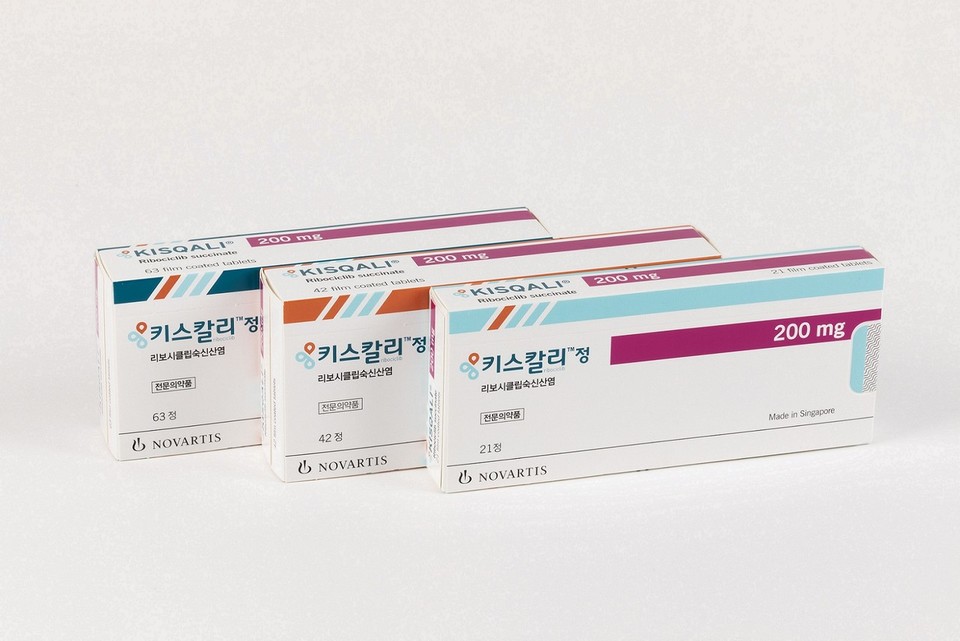
Novartis is set to release the 4-year data from the Phase 3 'NATALEE' study, which evaluated the combination of its CDK4/6 inhibitor Kisqali (ribociclib) with endocrine therapy. This follows the 3-year overall survival data presented at last year’s American Society of Clinical Oncology (ASCO) meeting.
The NATALEE study involved 5,101 patients with hormone receptor-positive/HER2-negative breast cancer at stages 2–3 who were at risk of recurrence. The participants were divided into two groups: 2,549 patients received Kisqali with endocrine therapy, and 2,552 received endocrine therapy alone.
At last year’s ASCO, the primary efficacy endpoint, invasive disease-free survival (iDFS), was revealed after a median follow-up of 34 months. The 3-year iDFS rates were 90.4% for the Kisqali group and 87.1% for the endocrine therapy-only group, indicating a 25.2% reduction in the risk of disease recurrence for the Kisqali group (HR=0.748, 95% CI: 0.618-0.906, p=0.0014).
Kisqali has also garnered attention for demonstrating improvement in lymph node-negative patients, a limitation seen with Eli Lilly’s similar drug Verzenio (abemaciclib). There is anticipation that the 4-year data will continue to show this improvement.
HER2-Positive Gastric Cancer – Keytruda + Herceptin + Chemotherapy
As the immunotherapy with the most indications, Keytruda will have the highest number of presentations at this year’s ESMO. One of the key highlights is the final overall survival (OS) data from the 'KEYNOTE-811' study, which examined the combination of Keytruda, Herceptin, and chemotherapy in HER2-positive gastric cancer patients.
In December of 2023, Keytruda added this combination therapy to its approved indications, offering a new treatment option for HER2-positive gastric cancer patients in South Korea. The KEYNOTE-811 study, the pivotal trial for this approval, gained attention as it was led by a team of Korean medical professionals, including Professor Sun Young Rha of Yonsei Cancer Center.
According to data presented at last year’s ESMO and ESMO Asia Annual Meeting, for patients with PD-L1-positive expression (CPS≥1), the median progression-free survival (mPFS) for the Keytruda + trastuzumab + chemotherapy group was 10.9 months, compared to 7.3 months in the control group receiving standard therapy. This represented a 29% reduction in the risk of disease progression or death compared to the control group (HR=0.71, 95% CI: 0.59-0.86).
Keytruda had previously demonstrated OS improvement in HER2-negative gastric cancer patients in the Phase 3 'KEYNOTE-859' study. The upcoming data release is expected to confirm whether Keytruda can also show OS improvement in HER2-positive patients, potentially demonstrating OS benefits across a broader spectrum of gastric cancer patients.
Non-Small Cell Lung Cancer – Rybrevant + Leclaza + Chemotherapy
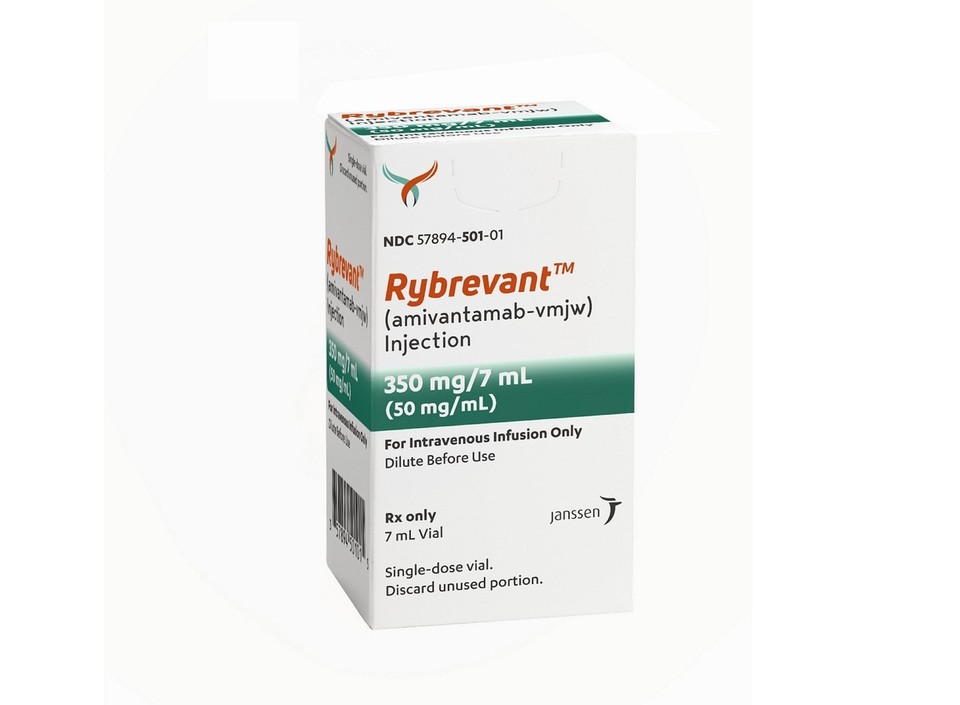
The results of a secondary analysis from the MARIPOSA-2 study, which compared the combination of Rybrevant (amivantamab) and Leclaza (lazertinib) with chemotherapy against chemotherapy alone in patients with EGFR-mutated locally advanced or metastatic non-small cell lung cancer (NSCLC), will be presented. The analysis covers a median follow-up period of 18.1 months.
The MARIPOSA-2 study evaluated the efficacy and safety of the combination of Leclaza + Rybrevant + chemotherapy (263 patients), chemotherapy alone (263 patients), and Rybrevant + chemotherapy (131 patients) as a second-line treatment following treatment failure with Tagrisso.
In the first interim analysis presented at last year’s ESMO, after a median follow-up of 8.7 months, the median progression-free survival (PFS) was 6.3 months for the Rybrevant + chemotherapy group, 8.3 months for the Leclaza + Rybrevant + chemotherapy group, and 4.2 months for the chemotherapy-only group. The Leclaza + Rybrevant + chemotherapy combination reduced the risk of disease progression or death by 52% compared to chemotherapy alone (HR=0.48, 95% CI: 0.36-0.64, P<0.001) and by 56% compared to the Rybrevant + chemotherapy group.
This year’s focus will likely be on data regarding the Rybrevant + chemotherapy combination. Key metrics such as time to symptom onset, time to treatment discontinuation, and PFS2 (the time from the start of first-line treatment to progression or death during or after second-line treatment) will be assessed to determine how much improvement this combination shows over chemotherapy alone in managing disease progression.
Urothelial Carcinoma – Padcev + Keytruda
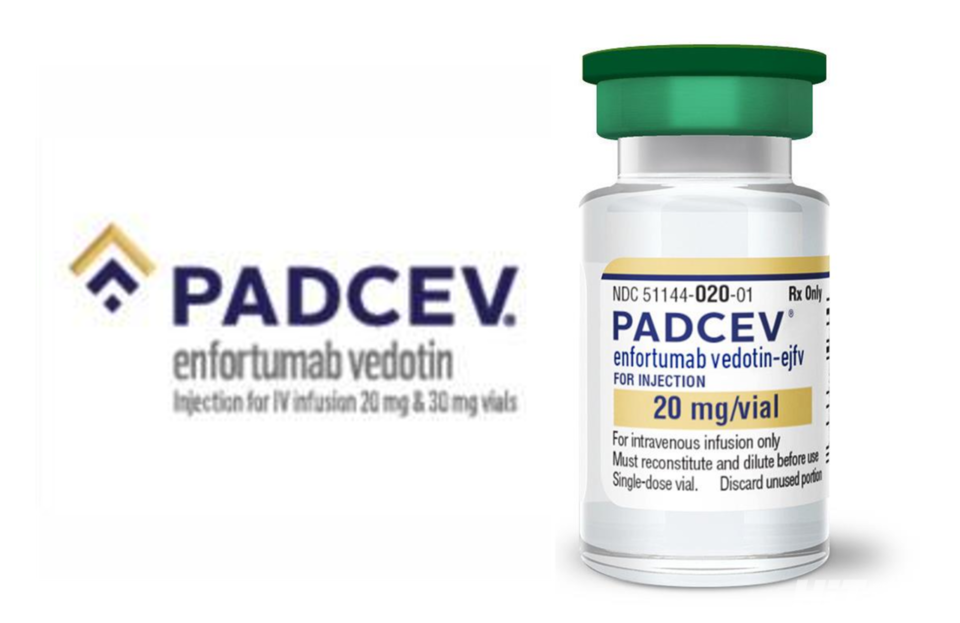
The Phase 3 'EV-302' trial sub-analysis data on the combination of Padcev (enfortumab vedotin) and Keytruda (pembrolizumab), which has been credited with transforming the first-line treatment landscape for urothelial carcinoma after 30 years, will be released.
According to the EV-302 study results presented at last year’s ESMO, which received a standing ovation, the median overall survival (OS) for the Padcev combination therapy was 31.5 months compared to 16.1 months for platinum-based chemotherapy, reducing the risk of death by about 53% (HR 0.47, 95% CI: 0.38-0.58, p<0.001). Additionally, the median progression-free survival (PFS) was 12.5 months for the Padcev combination, compared to 6.3 months for chemotherapy, representing a 55% reduction in the risk of disease progression or death (HR 0.45, 95% CI: 0.38-0.54, p<0.001).
This year’s analysis focuses on Nectin-4, a cell surface protein expressed in urothelial carcinoma. Padcev is an antibody-drug conjugate (ADC) that targets Nectin-4, and this study evaluates response rates based on the level of Nectin-4 expression.
In previous studies, Padcev demonstrated efficacy regardless of Nectin-4 expression in second-line monotherapy trials, and it is currently approved for use without requiring confirmation of Nectin-4 expression.
The sub-analysis data to be presented at ESMO will assess whether the combination of Padcev and Keytruda as a first-line therapy can offer clinical benefits to urothelial carcinoma patients, regardless of the presence or level of Nectin-4 expression.