

Topline Data for FureStem-AD Phase 3 Expected This Month
Global Partnering with Multinational Pharmaceutical Companies at Bio USA
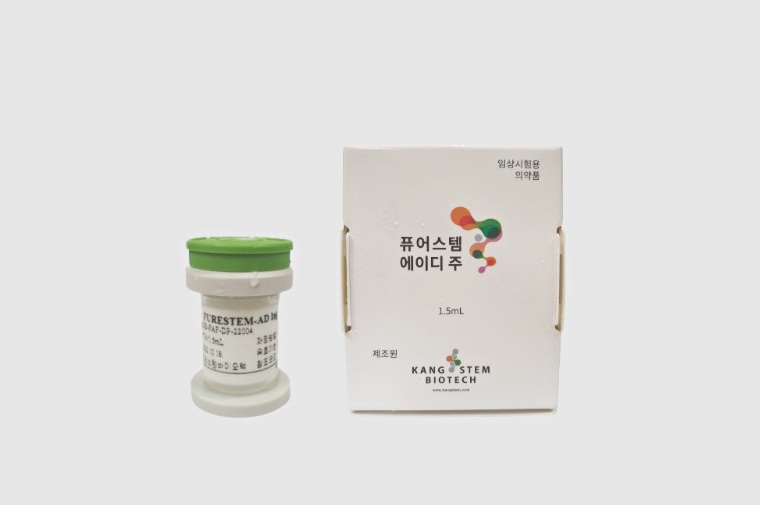
Kangstem Biotech is on track to secure the topline data from its Phase 3 clinical trial for FureStem-AD, a stem cell therapy for atopic dermatitis, by June 2024. The company aims to file for marketing approval by the end of 2024, with a target for approval in the second half of 2025.
Industry sources confirmed on June 17th that Kangstem Biotech completed dosing 315 patients with moderate to severe chronic atopic dermatitis in April and is currently analyzing the data. A company representative commented, "We plan to secure the topline data from the Phase 3 trial within June and will announce it through a public disclosure as soon as we have it. However, the timeline for data acquisition might change depending on the workload and schedule of the Clinical Research Organization (CRO) handling the analysis."
Kangstem BioTech is preparing to submit the necessary documentation for marketing approval, including the International Common Technical Document (CTD) for pharmaceutical quality, clinical and non-clinical data, the Risk Management Plan (RMP), and the Clinical Study Report (CSR).
Earlier this month, Kangstem BioTech participated in Bio USA in San Diego, where it engaged in one-on-one meetings with multinational pharmaceutical companies. The company reported significant interest from over 20 multinational firms, including those from the United States, Europe, China, and Japan, in FureStem-AD and its next-generation pipeline, organoids.
A company spokesperson stated, "We are currently engaged in follow-up discussions regarding FureStem-AD, so we cannot specify the timing of potential technology exports (L/O)." Additionally, FureStem-OA Kit, designed for the fundamental treatment of osteoarthritis with a single injection, garnered attention from several global companies.
Although FureStem-OA Kit is in the early stages of Phase 1 clinical trials, promising structural improvement data, including pain reduction and cartilage regeneration in low-dose groups, has led to follow-up meeting requests from multiple global pharmaceutical companies.