

Diabetes-only vial formulation targets reimbursement, supply stability, and pricing flexibility, while pen devices remain focused on the non-reimbursed obesity market
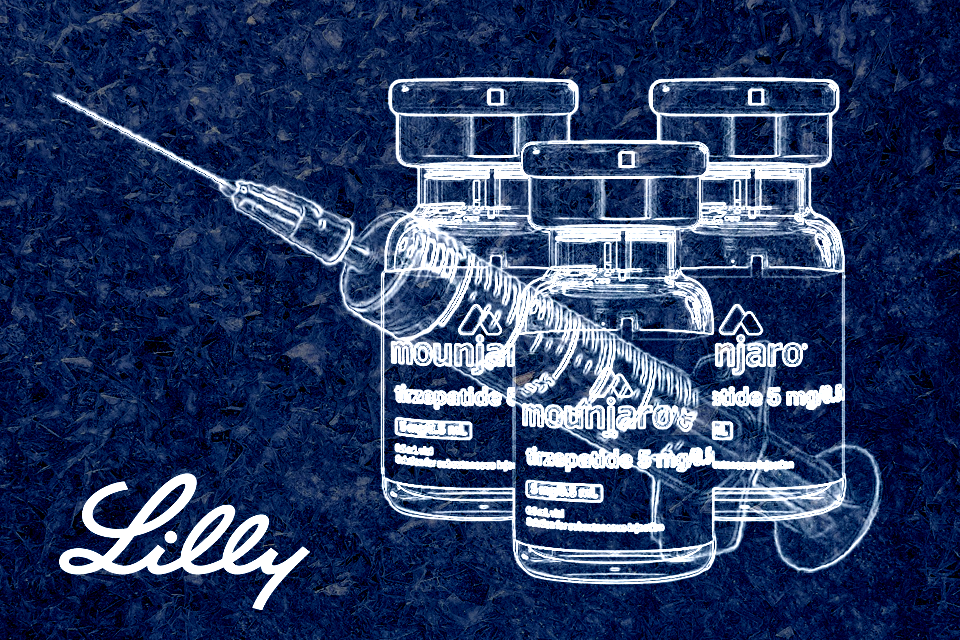
Eli Lilly has received regulatory approval in Korea for a vial formulation of its obesity and diabetes treatment Mounjaro (tirzepatide), reinforcing preparations for a dual-track strategy targeting diabetes and obesity.
According to Korea Lilly on December 12, the Ministry of Food and Drug Safety (MFDS) approved Mounjaro Vial Injection 2.5 mg/0.5 mL, along with five additional strengths—5 mg, 7.5 mg, 10 mg, 12.5 mg, and 15 mg. Lilly had already obtained approval for Mounjaro in prefilled syringe and QuickPen formats, making the vial the final formulation to receive authorization.
Notably, the approved indication differs by formulation. The vial is authorized solely as an adjunct to diet and exercise to improve glycemic control in adults with type 2 diabetes. By contrast, the prefilled syringe—initially approved in June 2023—later expanded its label to include chronic weight management. The QuickPen formulation, approved last September, also carries both diabetes and obesity indications, with no subsequent label changes.
Industry observers view the vial’s diabetes-only label as a deliberate choice tied to reimbursement strategy. On December 4, the Drug Reimbursement Evaluation Committee recognized Mounjaro as appropriate for reimbursement for diabetes. Following price negotiations, reimbursement entry is expected as early as March 2026, positioning the vial as a key vehicle for that process.
Discussions around launching a vial formulation reportedly began as early as February–March, ahead of Mounjaro’s Korea launch, amid internal considerations around supply security through healthcare-administered dosing. Nonetheless, when Mounjaro entered the Korean market in late August, it debuted first in the prefilled syringe format.
The functional distinction between formulations is central to Lilly’s strategy. Prefilled pens are designed for patient self-administration at home, while the vial requires use of a sterile disposable syringe under physician instruction. In practice, this often means administration by doctors or nurses in clinical settings, given dosing accuracy and infection-control considerations.
The vial also offers supply advantages. Mounjaro pens use the same needle type as Lilly’s earlier diabetes drug Trulicity, which has faced global supply disruptions since 2022. Some countries, including Australia, have warned that supply instability could persist into the first half of next year. By reducing dependence on pen needles, the vial may support more stable imports into Korea—an issue that becomes critical once reimbursement is pursued for diabetes, even if less so in the non-reimbursed obesity market.
Such formulation diversification is not unprecedented. In the United States, Lilly supplies vial versions through Lilly Direct for uninsured patients at approximately $299–499 per month, well below the roughly $1,086 monthly cost of the prefilled pen.
From a clinical perspective, vial administration can be integrated into routine outpatient visits. From a supply standpoint, demand channeled through healthcare institutions enables more predictable forecasting and volume alignment.
Pricing flexibility is another key advantage. As reimbursement discussions progress—and with Novo Nordisk expected to pursue aggressive pricing for Ozempic—the vial gives Lilly leverage to offer relatively lower supply prices. The formulation effectively anchors a positioning of “vial = diabetes,” addressing both reimbursement pricing and supply stability.
In essence, Lilly appears to be using the vial to support lower-priced, reimbursed diabetes treatment (with potential future expansion to other indications such as sleep apnea), while preserving pen formulations for the non-reimbursed obesity market.
As Novo Nordisk accelerates its own reimbursement push for Ozempic, industry attention is now focused on how Lilly’s vial-centered strategy will reshape competition in Korea’s GLP-1 market.