

HITerview-Insights on Merck’s strategic initiatives and collaboration in South Korea
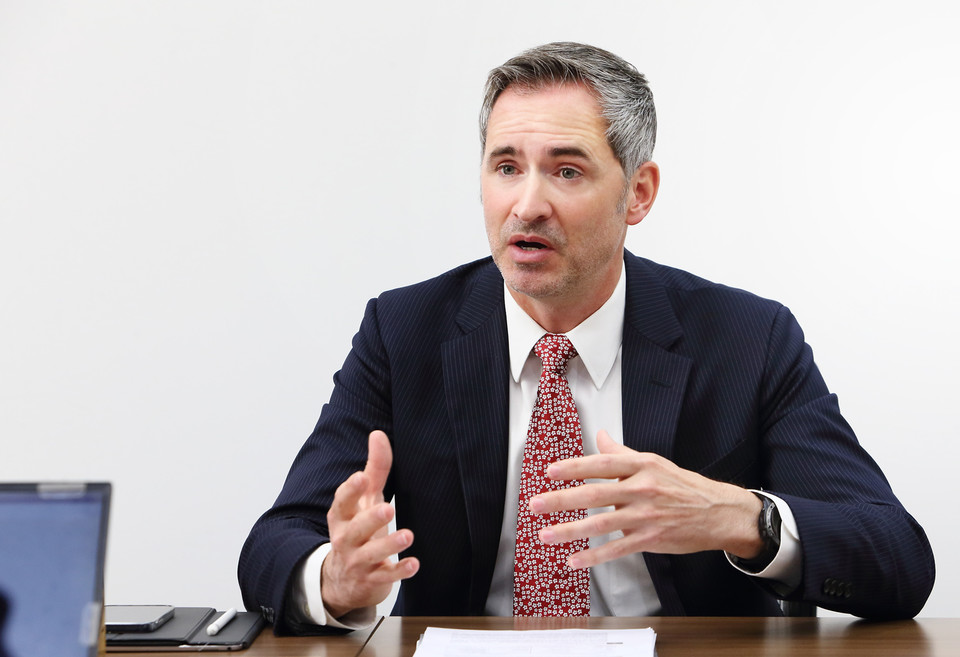
In November 2022, Christoph Hamann assumed the role of General Manager at Merck Biopharma's Korea division, bringing a wealth of experience from key markets like Germany, Switzerland, and the United States. With a background in business development (BD) and management, his appointment marked a milestone as the seventh country where he held business responsibilities.
Merck aimed to solidify Hamann’s leadership position in the specialty care field and highlighted strides made toward their 2024 goal. The company emphasized extensive collaboration with South Korean bio-ventures and open innovation initiatives.
What progress has Merck made towards becoming a leader in the Specialty Care field by 2024?
"Merck's ambition is to lead the Specialty Care sector by 2024, prioritizing sustainable growth across its divisions. Despite Biopharma contributing significantly to revenue, Merck adopts a comprehensive investment strategy. Since announcing their vision in 2021, significant strides have been made, especially in therapeutic areas. Their focus on 'focused leadership' and patient accessibility in critical sectors like rare diseases positions them to lead in Immunotherapy/Oncology, Neuroimmunology, Infertility, and Endocrinology within Specialty Care."
Which specific medications have played a significant role in achieving ‘focused leadership’?
"Merck highlights achievements in various fields, including 'Gonal-F' in infertility, 'Mavenclad' for multiple sclerosis, 'Erbitux' for workplace-related cancer, and 'Saizen' dominating the global injectable growth hormone therapy market. Notably, 'Bavencio' becoming a standard treatment for urothelial carcinoma after insurance coverage has significantly impacted patient outcomes. Efforts continue to secure insurance coverage for 'Tepmetko' in non-small cell lung cancer treatment, reflecting Merck's commitment to improving patients' lives."
What motivates Merck's extensive collaboration with Korean bio-ventures and engagement in 'open innovation' in the Korean pharmaceutical research landscape?
"Merck actively pursues better treatments for patients through proactive 'open innovation,' collaborating with diverse global partners, academia, and prioritizing Korea as a key nation. Korea is an innovation hub, excelling in areas like digital technology and fostering creativity. We're engaged in various clinical studies with Korean biotechs like NKMAX. While these processes take time, we're committed to this collaboration, expecting breakthroughs down the line. Often, investing in innovation doesn't guarantee immediate results, akin to examining numerous compounds and substances to develop a single drug in clinical trials.
Relying on one person's idea for innovation within a company isn't feasible. At an innovation-related event I attended, a speaker emphasized the need for multiple ideas, stating that having just one or two might lead to a high likelihood of failure. I resonate with this perspective. Consistent investment and exploration in innovation remain crucial not only for our future innovations at Merck but also for the broader landscape of innovation."
What are some distinctive features of the South Korean market?
"Korea boasts an advanced healthcare system compared to many countries worldwide, with a highly esteemed medical community that prioritizes scientific evidence. This makes it an appealing pharmaceutical market. Consequently, when considering drug launches or other initiatives, our global headquarters also prioritizes Korea. Currently, approximately 30% of Merck's clinical research participation within the Asia-Pacific (APAC) region is concentrated in Korea."
What goals were set upon assuming the role of GM in Korea?
"Firstly, it's to position the Korean market as the number one in the APAC region. Secondly, it's about consistently launching innovative medicines in Korea and expediting their inclusion in insurance coverage as swiftly as possible. Through this, I believe we can offer diverse therapeutic benefits to patients in Korea while also fostering business growth for Merck. This isn't solely about financial outcomes but rather focusing on patients, which in turn fuels business growth and becomes another investment. Lastly, contributing to addressing Korea's low birth rate issue is also among my goals."