

Samsung Bioepis, SK Bioscience, and EuBiologics stress early engagement, data integrity, and proactive risk management at GBC 2025
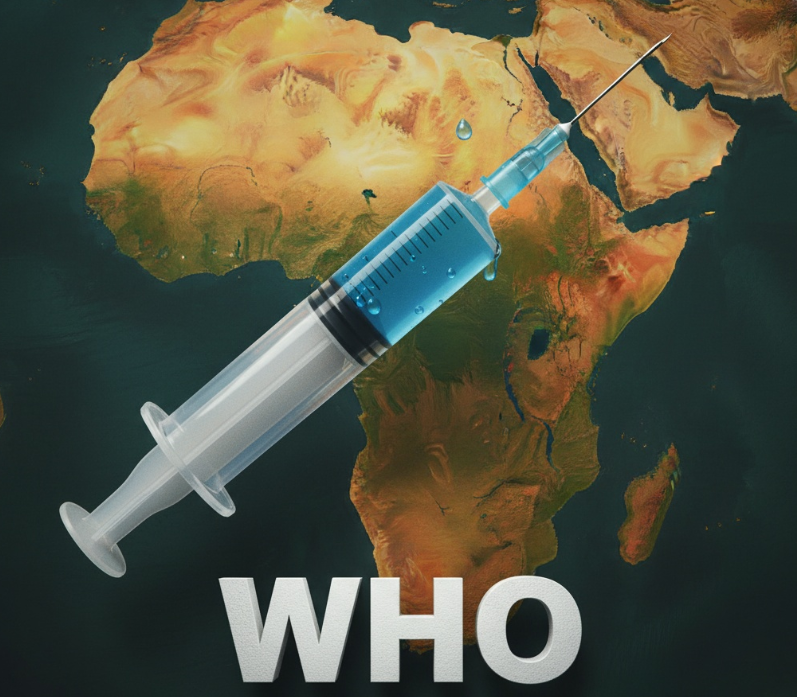
The COVID-19 pandemic highlighted the importance of securing international tenders led by WHO and UN agencies, prompting more Korean pharmaceutical and biotech companies to pursue overseas markets. At the 2025 Global Bio Conference (GBC) on September 4, regulatory affairs experts from companies that successfully obtained WHO Prequalification (PQ) certification shared their experiences and strategies, drawing significant attention.
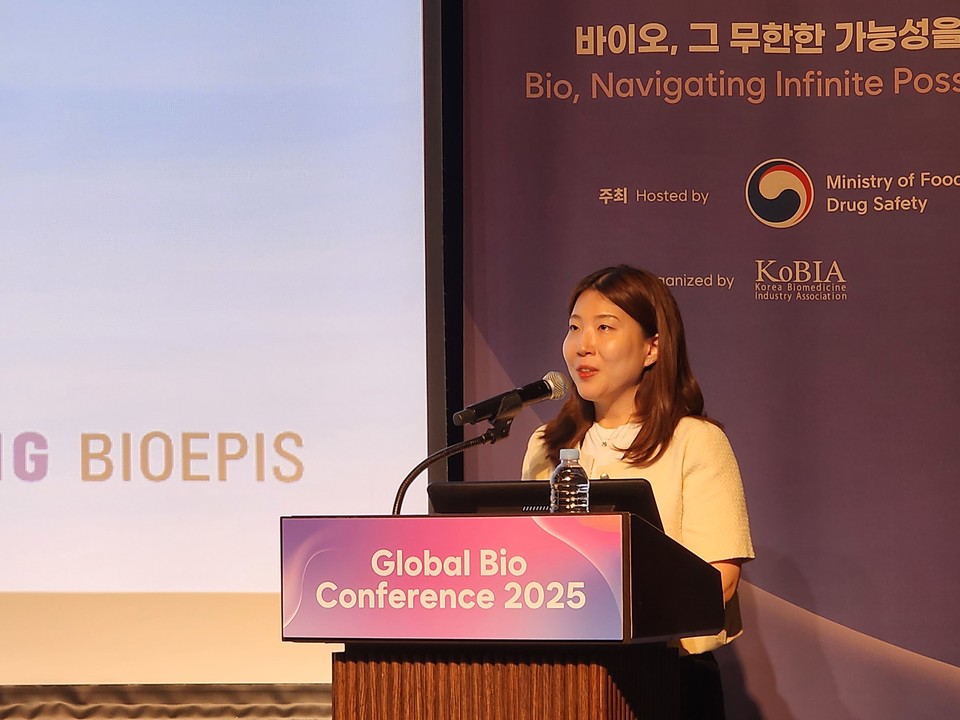
WHO’s Prequalification (PQ) program serves as a form of pre-assessment. To facilitate medicine procurement for low- and middle-income countries, the WHO evaluates the safety, efficacy, and GMP compliance of pharmaceutical products. Companies that receive a positive assessment are granted eligibility to participate in international procurement tenders, enabling them to supply medicines to UN agencies such as UNICEF.
Supplying Underserved Nations: Preparing High-Temperature Shipping Data
Samsung Bioepis’ breast cancer treatment Ontruzant became the world’s first biosimilar to receive WHO PQ certification in 2019.
Yeo-sun Hong, Group Leader of the RA team, explained, “Since we had already secured European approval in 2017, we were able to streamline the PQ process. Still, WHO required additional layers of review beyond what Europe demanded.”
A key challenge was proving stability under high-temperature transport conditions, a requirement not addressed during European approval. “Through constant communication with WHO, we demonstrated that quality remained intact even under extreme shipping conditions and that corrective actions would be possible if issues arose,” Hong said. She emphasized that establishing validated stability data is critical for South Korean firms entering the WHO PQ system.
It’s Too Late After Development—Engage Early and Fully with WHO!
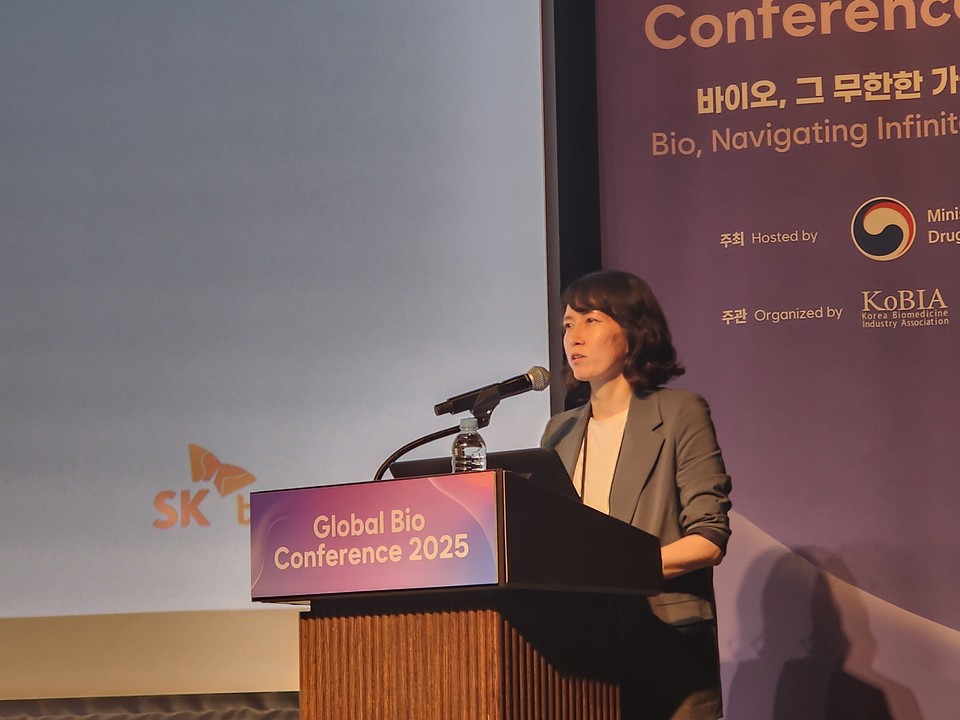
SK bioscience leads with six WHO PQ-certified products, including two influenza vaccines.
“PQ certification is not just an entry ticket for international tenders,” said Seung-hee Hong, Head of RA Team 2. “It also enhances trust, since WHO itself validates product quality, and in some countries PQ approval may even substitute South Korean regulatory review.”
Hong stressed the importance of early dialogue. “If you wait until development is complete, WHO’s requirements can become very difficult to meet,” she said. She recalled an instance where, despite having a commercialized vaccine and finished vials for submission, WHO requested an additional trial using the PQ-certified product as a comparator. “We relied on published literature to bridge the gap, but these hurdles show why communication from the start is vital.”
She added that for influenza vaccines, early interaction is especially crucial, as strain changes require annual approvals on tight timelines.
WHO Accepts Product Complaints—Respond Proactively to Risks!
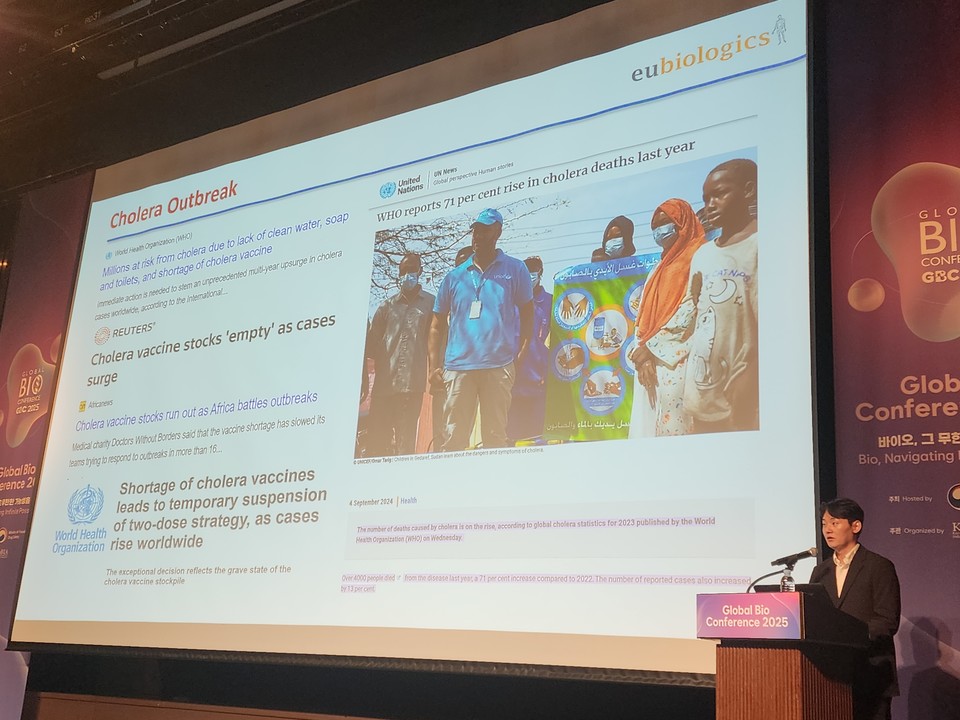
EuBiologics was the first Korean biotech venture to receive WHO PQ certification, positioning itself as a small but strong player in the global vaccine field.
“As the sole WHO PQ-certified supplier of government cholera vaccines, we bear an international responsibility for global cholera prevention,” said RA Head Kyung-ho Jung.
He underscored that post-certification vigilance is as important as obtaining PQ itself. “If a company fails to comply with WHO standards or skips re-evaluations, its vaccines can be removed from the list,” he warned.
WHO also investigates product complaints from developing countries. “When issues are raised, WHO examines batch records, may conduct retesting, or even inspect manufacturing sites. Korean companies must establish robust monitoring systems and maintain strong data to respond effectively,” Jung emphasized.