

The Alzheimer’s treatment receives regulatory nods in four countries, but bridging studies delay its availability in South Korea.

Eli Lilly’s Alzheimer’s drug Kysunla (donanemab) has been approved in the U.S., Japan, the U.K., and China. However, availability in South Korea is expected to face delays due to regulatory requirements.
Kysunla, a humanized IgG1 monoclonal antibody targeting modified beta-amyloid (Aβ) protein (N3pG), reduces Aβ plaques or slows their formation—key factors in Alzheimer’s disease pathology.
The U.S. FDA granted the first approval on July 2, 2023, followed by Japan’s Ministry of Health, Labour and Welfare on September 24, the U.K.’s Medicines and Healthcare products Regulatory Agency on October 23, and China’s National Medical Products Administration on December 17.
Despite these global approvals, South Korea's Ministry of Food and Drug Safety (MFDS) requires local patient participation in pivotal Phase 3 trials, which Kysunla’s Phase 3 TRAILBLAZER-ALZ 2 study lacked.
To meet this requirement, Eli Lilly initiated a bridging study—TRAILBLAZER-ALZ 5—in six countries, including South Korea. Approved on October 18, 2023, the trial aims to recruit 1,500 patients, with 114 from South Korea, and will assess changes in the Integrated Alzheimer’s Disease Rating Scale (iADRS).
Key trial sites include Busan National University Hospital, Chungnam National University Hospital, and Samsung Medical Center. The study is projected to conclude in April 2027, though timelines for regulatory submission remain unclear.
An Eli Lilly Korea official commented: “Dosing is underway for TRAILBLAZER-ALZ 5 participants. While the expected completion is April 2027, timelines may change depending on our strategy and pipeline progress. We are exploring ways to expedite regulatory approval and commercialization in South Korea to benefit local Alzheimer’s patients.”
The TRAILBLAZER-ALZ 2 trial, conducted with 1,736 early Alzheimer’s patients over 18 months, provided critical data for Kysunla's approvals. It evaluated efficacy and safety in patient groups categorized by tau pathology and disease progression.
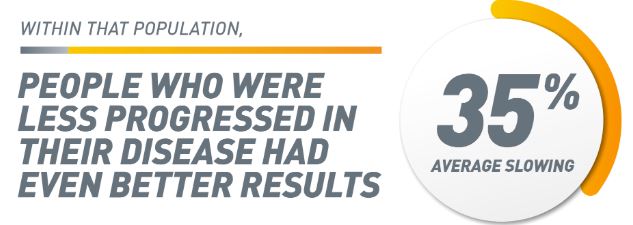

According to Eli Lilly, Kysunla showed: 35% slower decline in iADRS scores in patients with less advanced disease compared to placebo, 22% slower decline in the overall patient population, and 39% reduced risk of progressing to the next Alzheimer’s stage compared to placebo.
Donanemab also demonstrated substantial plaque reduction, with decreases of 61% at six months, 80% at 12 months, and 84% at 18 months.
Reported adverse events include Amyloid-Related Imaging Abnormalities (ARIA), allergic reactions during or shortly after infusion, and headaches.