

Emre Ozcan, Head of Digital Health & Devices, and Christian Leufgen, Head of Total Rewards, Merck — Interview
“Digital Healthcare and AI: Essential Pathways to Personalized Treatment”
“Sustainability for Both Company and Employees — Merck’s Core Principle”
Recent advances in science and technology have fueled remarkable growth in the global pharmaceutical and biotechnology industries. At the heart of this progress stands Merck, the world’s oldest pharmaceutical company with a 350-year history. Guided by its vision of “Innovation” and “One for Patients,” Merck continues to shape the global healthcare landscape.
Founded in Germany, Merck established its Korean subsidiary in 1989 and now operates across three main sectors—Healthcare, Life Science, and Electronics. In Korea, the company is known for key products such as the colorectal cancer therapy Erbitux (cetuximab) and the bladder cancer treatment Bavencio (avelumab).
Merck’s long journey offers valuable lessons for Korea’s emerging biotech ecosystem. The company is actively integrating artificial intelligence (AI) into its research and infrastructure while fostering employee growth and well-being through comprehensive welfare programs.
During HIT News’ visit to Merck’s global headquarters in Darmstadt, Germany, Emre Ozcan, Global Head of Digital Health & Devices, and Christian Leufgen, Global Head of HR Compensation & Employee Relations (ER), shared insights into the company’s enduring success, its digital transformation, and its people-first culture.
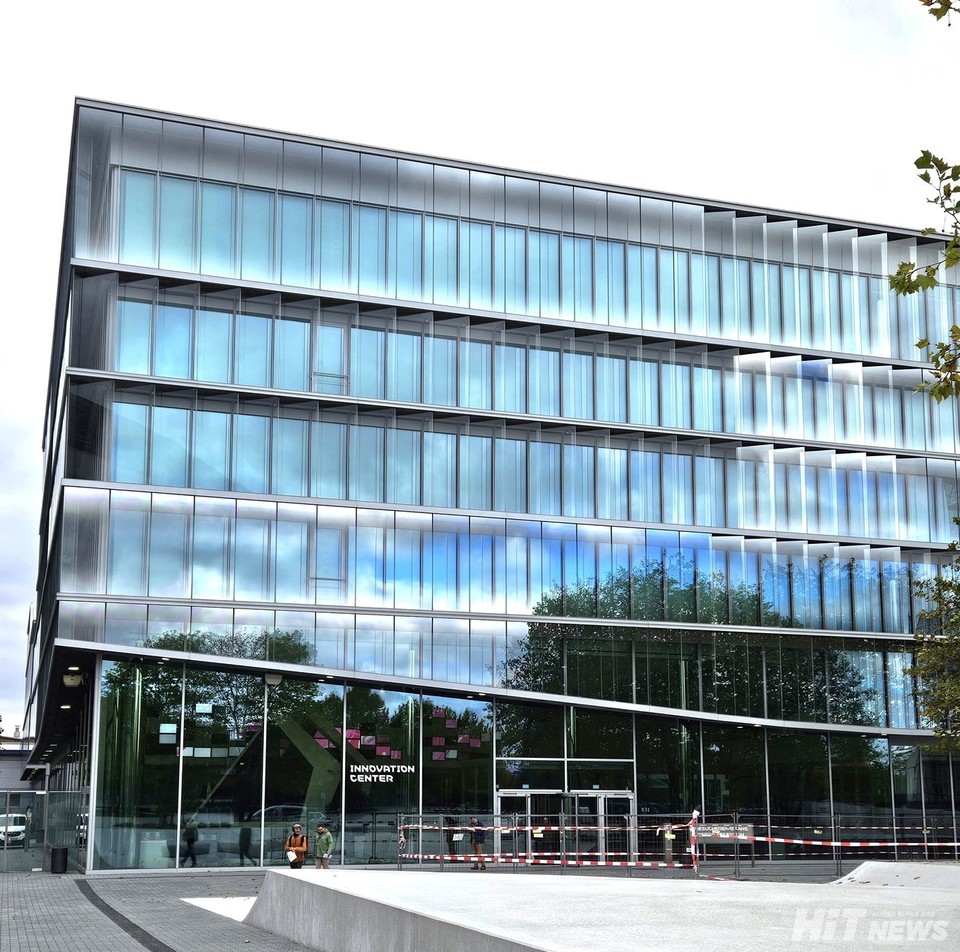
Merck traces its roots to Engel Pharmacy, founded in 1668 in Darmstadt, now a symbol of the city’s scientific identity. Darmstadt, known as the “City of Science,” hosts institutions such as TU Darmstadt, the University of Applied Sciences, and major European agencies including the European Space Operations Centre (ESOC) and EUMETSAT.
Merck’s Darmstadt campus spans an area equivalent to 200 football fields, encompassing the headquarters of its three business sectors, along with research, production, and training facilities—forming a true “Merck Village.”
The company has occupied this site since 1904, preserving historic landmarks like Engel Pharmacy and Pützerturm while continuously modernizing. Over the past five years, Merck has invested $1.73 billion to expand research and manufacturing capabilities.
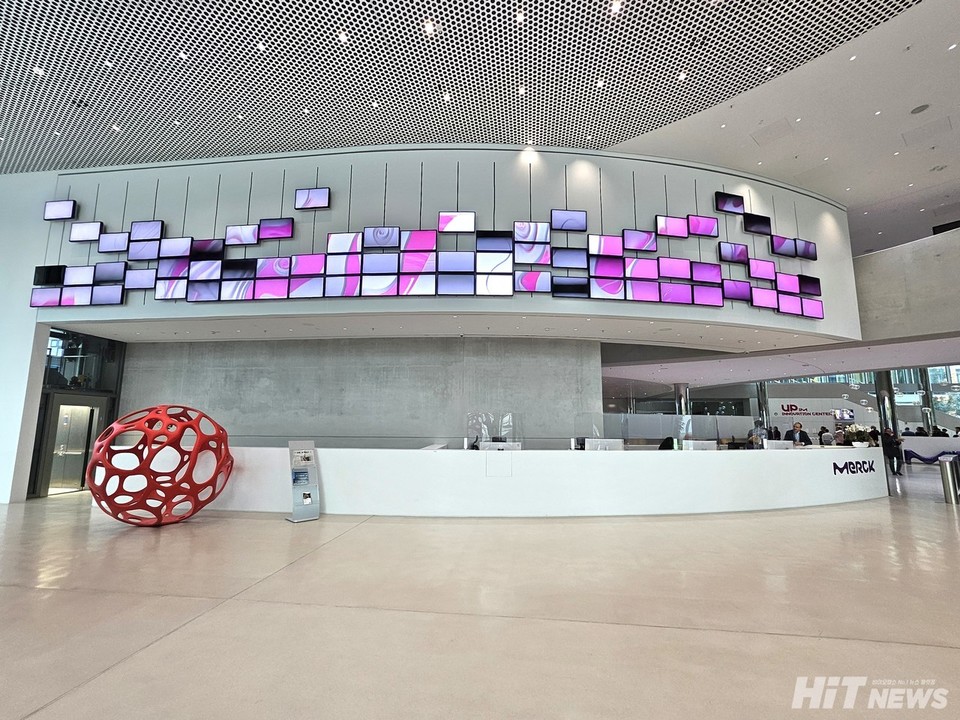
The Darmstadt site employs around 11,000 people from over 100 countries, reflecting Merck’s deep global diversity. Each year, more than 200 apprentices complete a three-year training program, supported by 20 vocational courses and 11 dual-degree programs. Roughly 1,400 employees work in maintenance and operations—making Merck one of the region’s key economic anchors.
Within the same site, Merck maintains end-to-end pharmaceutical operations, from R&D and manufacturing to packaging, distribution, and energy production. This self-contained structure ensures resilience and operational independence.
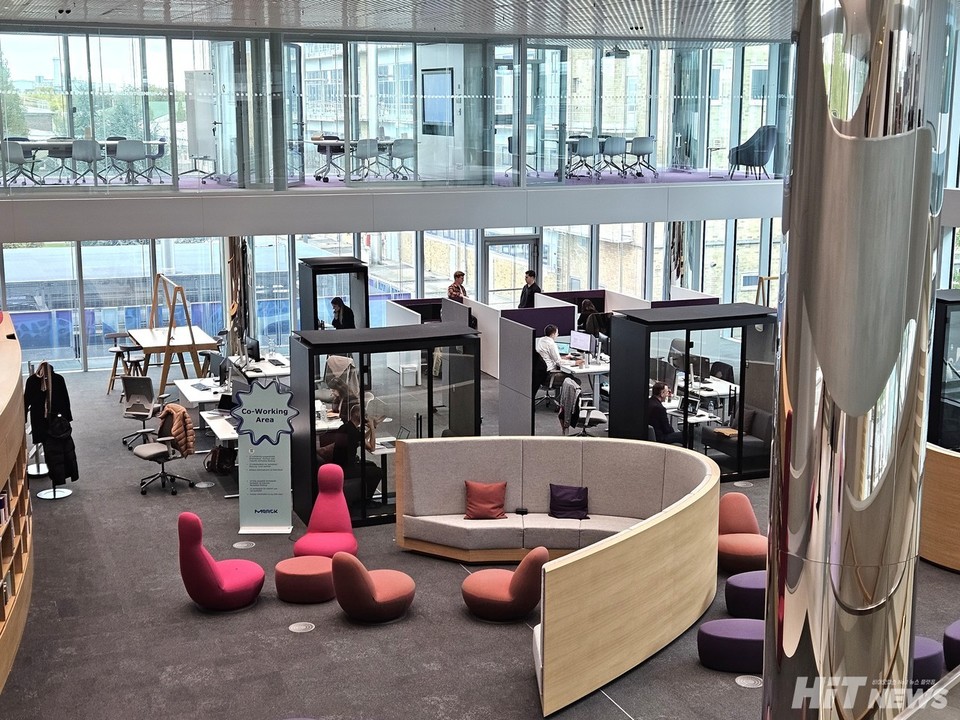
Merck’s research buildings and Innovation Center embody its corporate philosophy. With open glass façades, transparent labs, and abundant natural light, the design fosters collaboration and creativity—the pillars of Merck’s innovation culture. Rooftop solar panels and smart blinds enhance sustainability and energy efficiency.
At the core of the research complex lies the Substance Library, a repository of over one million chemical compounds that serve as the foundation for new drug discovery.
The Pharmaceutical Packaging Center runs eight automated production lines, manufacturing more than 600 million blisters annually. From raw material processing to labeling and logistics, every stage is digitally integrated and automated, ensuring precision and scalability.
By consolidating all corporate and scientific functions within one unified site, Merck achieves a true “all-in-one” operational model, seamlessly linking research, manufacturing, and global distribution—an embodiment of 350 years of innovation and adaptability.
On-site Interview
Emre Ozcan, Head of Digital Health & Devices
Christian Leufgen, Head of Total Rewards
AI and digital technologies are being actively adopted in the oncology field. How does Merck view this trend?
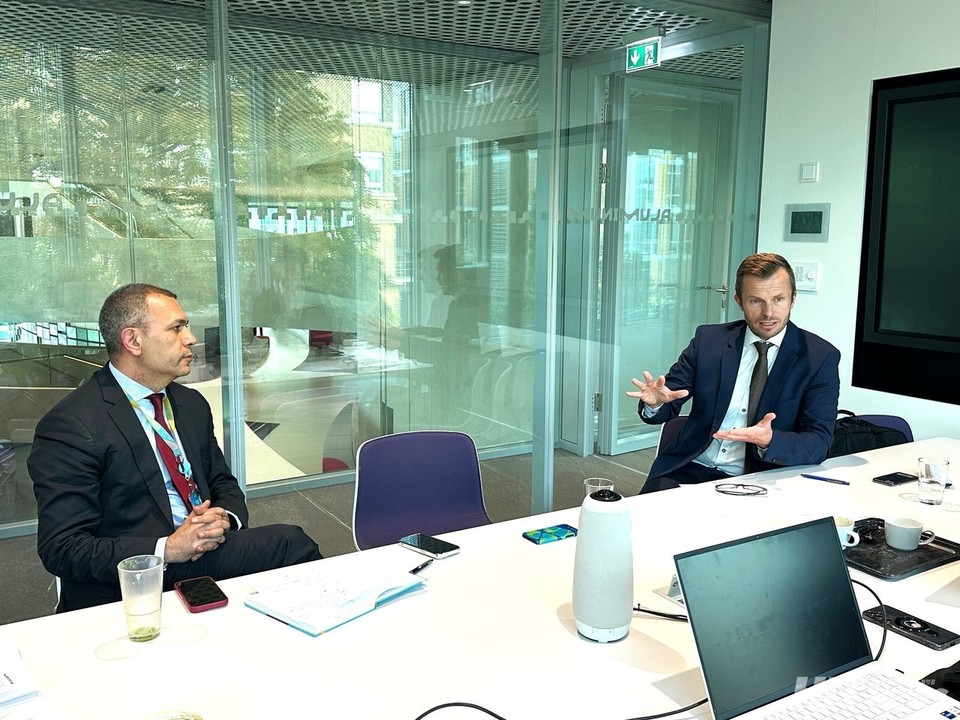
Emre Ozcan – “Merck believes that the future paradigm of healthcare will revolve around digital transformation.
The first reason is the rapidly growing demand for medical care driven by population growth and aging. In oncology alone, the number of patients continues to rise, and no matter how many healthcare professionals or hospital beds are added, it’s becoming increasingly difficult to meet this demand under the current system.
This is where the role of digitalization becomes crucial—especially in societies like Korea, where access to healthcare is high but demographic changes are occurring rapidly.
The second reason is that digital technologies are indispensable for precision medicine. The oncology field is undergoing constant innovation, requiring technologies that enable a deeper understanding of each patient.
It will be increasingly important to identify which patients will benefit most from which therapies, diagnose as early as possible, and ensure that treatments continue effectively. To do this efficiently and precisely, digitalization is essential. It will enable a new era of personalized therapy, where the right drug is delivered to the right person at the right time and in the right way.
Additionally, in both Korea and the U.S., people spend an average of three to four hours a day on their smartphones. If that time can be used not just for leisure but also for health management, it will enable a consumerized model of healthcare—one where individuals can access care and monitoring anytime, seamlessly integrated into daily life.”
Merck has been pursuing an ‘around-the-drug’ solution strategy, with early diagnosis through biomarkers at its core. What specific efforts are being made in this area?
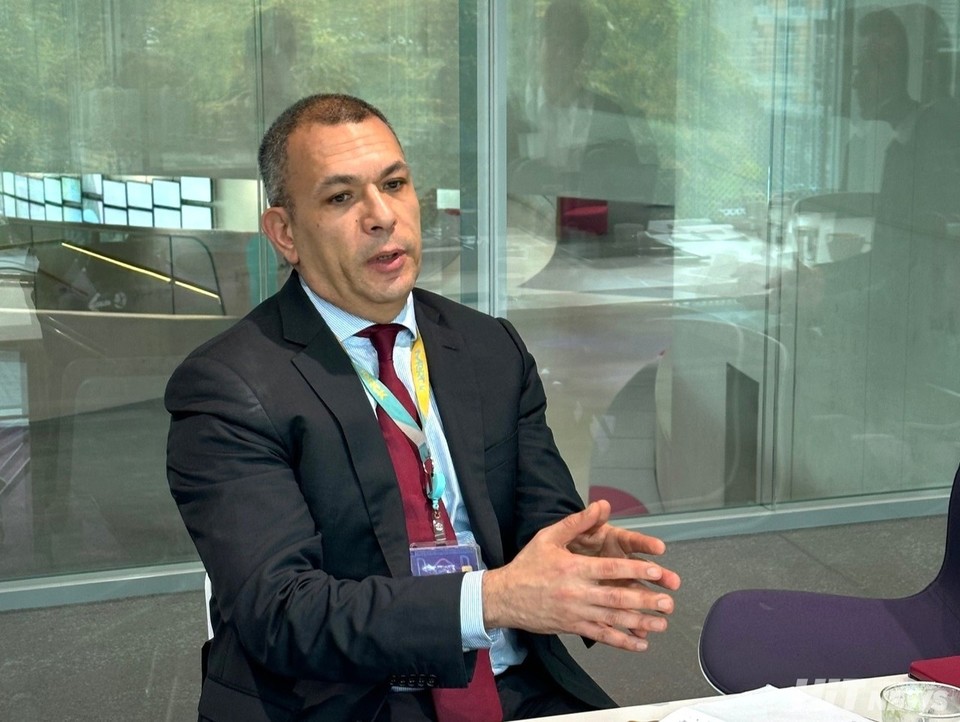
Emre Ozcan – “Merck explores various methodologies in its therapeutic development programs, and the use of digital health and AI tools is becoming increasingly common. Detecting diseases as early as possible improves treatment success rates and reduces the cost of post-treatment care, allowing more resources to be focused on fundamental cures.
In particular, we see significant potential in digital biomarkers—technologies that detect health signals through smartphones or wearable devices. Examples include changes in walking patterns, eye movements, or typing speed and rhythm. Such indicators can help identify individuals at risk of developing a disease or track how a patient’s condition evolves over time.
Equally important is the integration and pattern analysis of medical data through AI. From birth to every hospital visit, enormous amounts of health information are accumulated, yet remain fragmented—essentially a ‘gold mine’ of untapped insight.
Currently, Merck is leveraging AI to structure these datasets and uncover predictive patterns of disease risk. A representative initiative is the SpringWorks project in rare cancer research. By connecting vast and scattered data across institutions, AI enables more accurate identification of which patients belong to specific disease-risk groups. This approach offers the opportunity to intervene before the disease manifests clinically, marking a shift from reactive to truly preventive medicine.”
Korea is known for having one of the most advanced healthcare systems in the world. How can this wealth of data be used more effectively?
Emre Ozcan – “Korea already possesses one of the most advanced electronic medical record (EMR) and health data infrastructures globally. The key question now is how to make the most of this vast amount of data.
First, there needs to be better data integration and sharing. While Korea has accumulated diverse healthcare data, it remains siloed by institution or sector, making interconnection difficult. Building a system that allows for integrated and collaborative use of data will be essential.
Second, it’s crucial to motivate healthcare professionals and experts—the people who actually handle these data—to make active use of them. Currently, most medical systems are rewarded based on the number of consultations or time spent per visit, rather than on treatment outcomes. If data are used effectively, they can lead to more accurate diagnoses and better treatment efficiency. Therefore, introducing appropriate incentive structures or insurance reimbursement systems that reward the use of digital tools and data-driven care would be highly beneficial.
Third, we must bridge the gap between technology and medicine. In the field of digital biomarkers, wearable devices hold the greatest potential. Companies like Samsung are leading innovation in this area, but the healthcare system still lags behind in adoption. The key challenge is determining how these technologies can be meaningfully accepted and used by both patients and physicians—and this is where behavioral science plays an important role.
Simply having data is not enough to drive change. Data must be presented in ways that can influence behavior—that is, in forms that doctors and patients can easily apply in real clinical and daily contexts.”
How is Merck actually connecting treatment with precision medicine?
Emre Ozcan – “Merck aims not only to develop innovative new drugs but also to realize a concept of ‘Total Therapy’—integrated care that goes beyond the drug itself. We’re not just delivering medicine; we’re creating an environment where the medicine can work most effectively for each patient. The key tools enabling this are digital health and AI.
One of our main focuses is adapting to the changing treatment paradigm in aging societies. In Korea, the average life expectancy is about 83–84 years, among the highest in the world. Research shows that the elderly spend four to five times more on healthcare than younger populations—and cancer treatments, in particular, are extremely costly and increasingly long-term.
This means that the center of care must shift from hospitals to the home. While hospitals and clinics will remain essential, expanding bed capacity alone won’t solve the challenge of an aging society. To address workforce shortages and sustain care delivery, Merck is prioritizing digital transformation through telemedicine, remote consultations, and continuous patient monitoring technologies.
We’re also expanding the adoption of technologies that make precision medicine a reality. Recognizing that every individual’s lifestyle and behavior are different, Merck is developing behavior-enablement technologies—digital solutions that adapt to each person’s habits. For example, one of our programs sends medication reminders at the time of day when a patient is most likely to take their dose, based on personalized behavioral data.
Furthermore, digital transformation can improve the efficiency of clinical workflows. Today, during a typical hospital visit, doctors spend less than five seconds actually looking at the patient—most of their time is spent typing into computers. In the near future, AI will take over these administrative tasks, allowing clinicians to focus on what truly matters: patient care.”
Merck has expressed strong interest in addressing the issues of low birth rates and infertility. What efforts is the company making in this area?
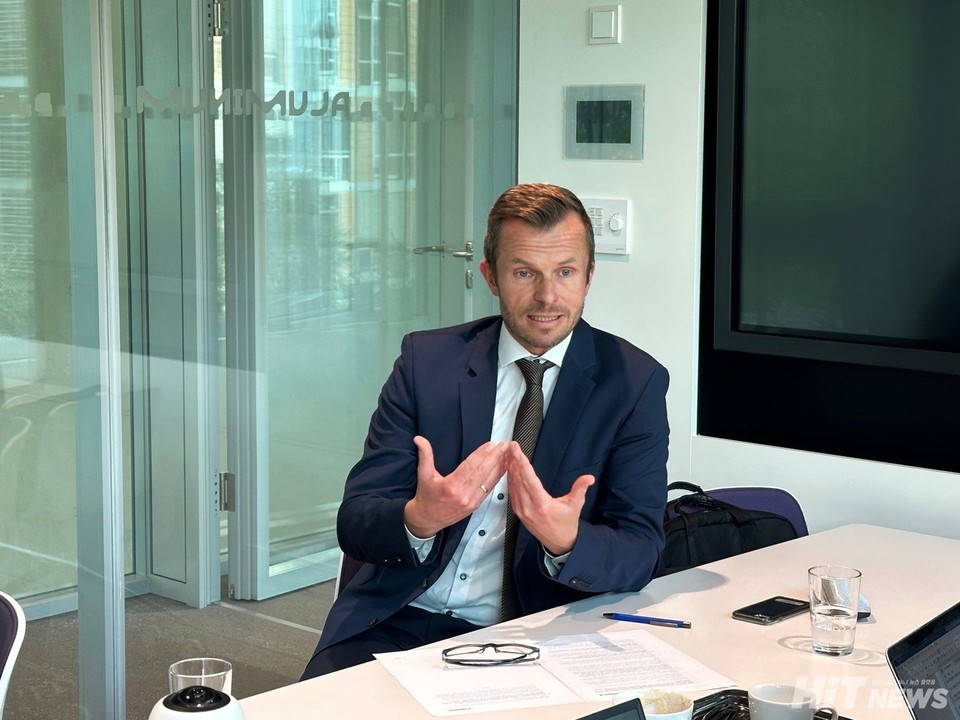
Christian Leufgen – “As a healthcare company that develops fertility treatments, Merck operates a global ‘Fertility Benefit Program’ for its employees. This initiative is a natural extension of our core business and mission.
The program is implemented worldwide under a consistent set of principles, but it is adapted to each country’s unique systems, culture, and regulations.
From the employee’s perspective, the goal is to reduce the financial and emotional burden associated with starting a family. Fertility treatment can be physically and mentally challenging, and through this program, we aim to provide an environment where employees can focus on both their family life and careers. This represents a key aspect of Merck’s “caring culture”, which emphasizes empathy and support.
From the corporate perspective, since fertility treatment is one of Merck’s key business areas, we feel a responsibility to set an example for society. By publicly sharing this program, we hope to communicate Merck’s values transparently to both current and future talents.
Finally, in societies like Korea—where birth rates are critically low—it is vital to foster a sense of psychological security within organizations, assuring employees that they can balance family and career. Beyond developing fertility drugs, Merck actively cultivates a corporate culture that values childbirth and family formation. We believe such efforts are not only integral to our company but also serve as a starting point for building a more sustainable society.”
It seems Merck places strong emphasis on employee welfare. What kinds of support does the company provide?
Christian Leufgen – “While the fertility benefit program targets a specific group of employees, Merck is pursuing a broader vision of a ‘High-Impact Culture’—one that balances performance and purpose while embodying a culture of care and empathy.
Beyond fertility treatment support, Merck operates various programs that assist employees through key life moments. One notable example is the ‘Moments that Matter Leave’, which includes care leave and other flexible time-off options that can be used when employees need to form a family, care for an ill family member, or handle other significant personal circumstances.
In addition to these welfare initiatives, Merck is also focused on creating a flexible working environment, unconstrained by fixed work locations or hours. To ensure this culture is effectively practiced, we provide leadership training worldwide—reaching more than 10,000 Merck leaders globally through our ‘Leadership Growth’ program.”
Emre Ozcan – “This topic is very personal to me as well. I’m the father of 11-year-old twin boys, whom we were able to have through in vitro fertilization (IVF).
At the time, I was working in Switzerland, where insurance did not cover fertility treatment, and my employer offered no financial support either. My wife and I eventually had to travel to Turkey, where the treatment costs were more affordable. That experience left a deep impression on me, and now, being in a position to support others going through similar journeys feels truly meaningful.”
What kinds of initiatives does Merck have in place to improve its organizational culture?
Christian Leufgen – “At Merck, employee welfare is not viewed merely as a set of institutional benefits, but as a core foundation supporting the company’s cultural journey.
Merck’s welfare framework is designed like a pyramid. At the base are standard benefits tailored to each country’s system and regulations. For instance, Germany has a strong public healthcare system, while the U.S. relies more heavily on employer-provided private insurance. Reflecting these differences, Merck offers localized benefits such as medical insurance, retirement pensions, gym memberships, and meal vouchers.
Above this foundation, we are building personalized, flexible welfare programs. In addition to fertility treatment support and family care leave, we are working to expand global leave policies. Importantly, our approach shifts away from insurance-centered welfare toward one that emphasizes belonging and inclusion, ensuring that no employee faces disadvantages during key life moments—such as childbirth, caregiving, bereavement, or accidents.
From a capability-building perspective, Merck is also making major investments in upskilling employees in digital and AI-related competencies. As AI becomes a natural part of everyday life, it is equally critical in the workplace. With technology and organizations evolving at an unprecedented pace, Merck is dedicated to empowering employees to adapt and thrive in the future.”
How is Merck investing in the professional growth and development of its employees?
Christian Leufgen – “Merck’s HR organization goes beyond simply measuring performance—it focuses on cultivating the kind of talent that drives innovation. Ultimately, it’s people who make our vision a reality. To remain competitive in future markets, we must continuously provide opportunities for our employees to learn and grow.
To achieve this, Merck concentrates on two main pillars: leadership development and organizational capability building.
First, to strengthen leadership, we host an intensive two-week global learning initiative called ‘Global Development Week’. During this period, employees engage in both online and offline programs covering a wide range of topics—from soft skills and technical expertise to business acumen.
Second, to expand internal mobility and career growth, Merck has introduced a digital platform called ‘MyGrowth’. This internal talent platform enables employees to explore new roles or project opportunities within the company and flexibly expand their careers. Through MyGrowth, employees can dedicate part of their working hours to participating in different departments or cross-functional projects, allowing them to acquire new skills and deepen their professional expertise.”
Korea has several pharmaceutical companies with over a century of history, yet truly novel drug breakthroughs remain relatively rare. As the world’s oldest pharmaceutical company, what advice would you offer?
Emre Ozcan – “Korea’s strengths lie more in medical technology than in traditional pharmaceutical innovation. The country’s contract development and manufacturing (CDMO) industry has reached a world-class level, and it’s impressive to see companies like Samsung investing heavily in production, development, and manufacturing capabilities.
It’s nearly impossible for any country or company to be the best in every area simultaneously. Therefore, if Korea’s pharmaceutical industry wants to advance further into innovative drug development, it should first build its strategy around the core assets and comparative advantages it already possesses.
I would highlight three major competitive strengths Korea already has: strong digital technology capabilities, deep understanding of population health, and expertise in precision diagnostics
By leveraging these foundations and gradually expanding into drug discovery and development, Korea can establish a globally competitive innovation ecosystem in pharmaceuticals.
That said, new drug R&D requires long-term investment and a high tolerance for risk. Even after years of research, many programs fail to reach commercialization. Thus, economies of scale, risk management, and strong partnerships are essential.
If Korean pharmaceutical companies continue to collaborate with global firms that already possess drug development experience and capabilities—while steadily building their own expertise through these partnerships—I believe Korea has every potential to succeed in the global innovation landscape.”
Looking ahead, how do each of you envision Merck 10 years from now?
Emre Ozcan – “Over the past several years, Merck has successfully built three core pillars in AI and digital innovation, and the next decade will be about deepening and expanding those foundations.
The first pillar is fostering an ‘AI mindset’ across all employees. We’re ensuring that everyone at Merck understands why AI matters, what tools are available, and how these tools can be applied to their daily work. By providing access to the right resources and encouraging hands-on use of AI, we’re empowering every employee to grow and evolve alongside technology.
Second, we’re integrating AI deeply into our internal operations. This enables faster and more precise drug development, greater efficiency in supply chain management, and ultimately, more reliable delivery of medicines—anytime and anywhere they are needed.
Third, we are directly applying AI and digital technologies to enhance customer and patient value. By embedding AI into our diagnostic, treatment, and patient-monitoring solutions, we aim to deliver a more personalized and seamless care experience for both patients and healthcare professionals.
In the future, success will depend on how quickly and closely we can collaborate with customers and partners. The next decade will belong to those who can collaborate effectively—the era of companies doing everything alone is over.”
Christian Leufgen – “As a family-owned company, Merck has always approached both business and organizational growth with a long-term perspective. Long before the term ‘sustainability’ became a global buzzword, Merck had already embraced the principle of changing the world in sustainable ways as a core part of its identity.
Looking ahead, Merck views artificial intelligence as a key capability for the future—but the focus is not on the technology itself, rather on how well people can understand and use AI effectively. While some jobs may inevitably be transformed or replaced by AI, our true priority is helping people build the skills and confidence to work alongside AI, achieving greater outcomes through collaboration.
In the end, the synergy between humans and technology will be the driving force that creates real impact over the next decade.”